The complete guide
What drop-stitch construction changes on a motor-ready belly boat
Adding an electric motor to a belly boat changes what the hull needs to do, and not every belly boat is built for it.
Why a soft hull struggles with a motor
A standard belly boat hull is built to hold air and support a seated angler, not to resist the thrust and weight of a motor. On a soft-sided hull, motor mounts can flex the fabric, wasting energy and putting uneven strain on the material over time.
What drop-stitch construction fixes
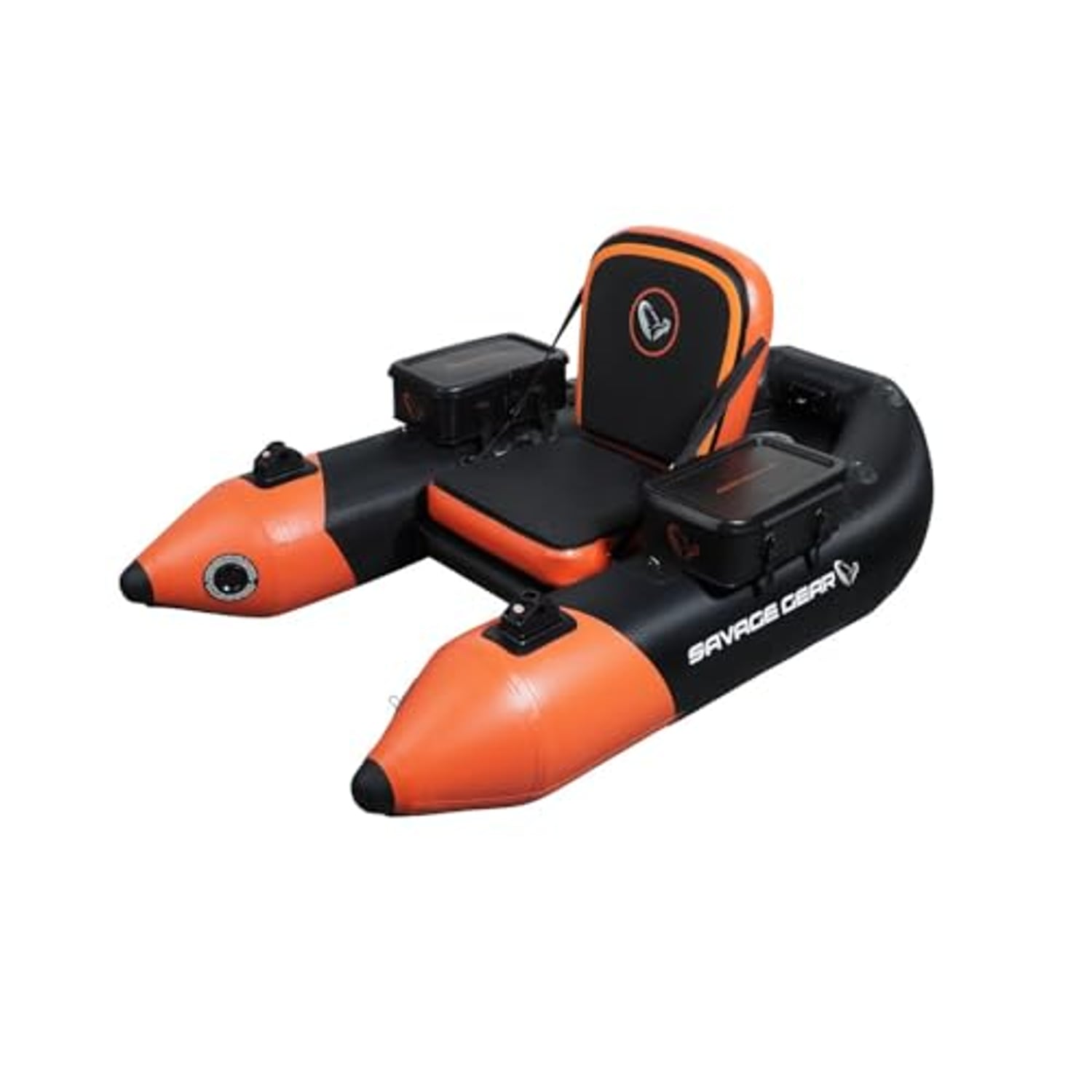
Drop-stitch panels — the same build used in rigid, high-pressure paddleboards — hold their shape far better under load. On the High Rider 185, that translates to a base that sits higher and stiffer in the water, so the motor's thrust goes into moving the boat rather than flexing the hull.
Matching a motor to the boat
Before buying a motor, check its weight and thrust rating against what a belly boat of this size is realistically built to carry — going too large adds weight and control problems, not just speed. A modest thrust rating is usually plenty for boat-to-swim positioning and slow trolling.
Storage planning for a motor session
A battery and motor mean less spare space than a paddling-only session. The two large waterproof pockets on this boat are sized with that in mind, but plan your tackle load around them rather than assuming the same capacity as a lighter paddling belly boat.