The complete guide
Fishing exposed water: why beam width matters
Stability on the water comes down to more than just weight rating — beam width plays a bigger role than most anglers realise.
Why beam width beats length for stability
A wider hull resists rocking and tipping more effectively than a longer, narrower one, because the wider base spreads your weight over more surface area. On exposed water with wind and chop, that steadiness matters more than almost any other spec.
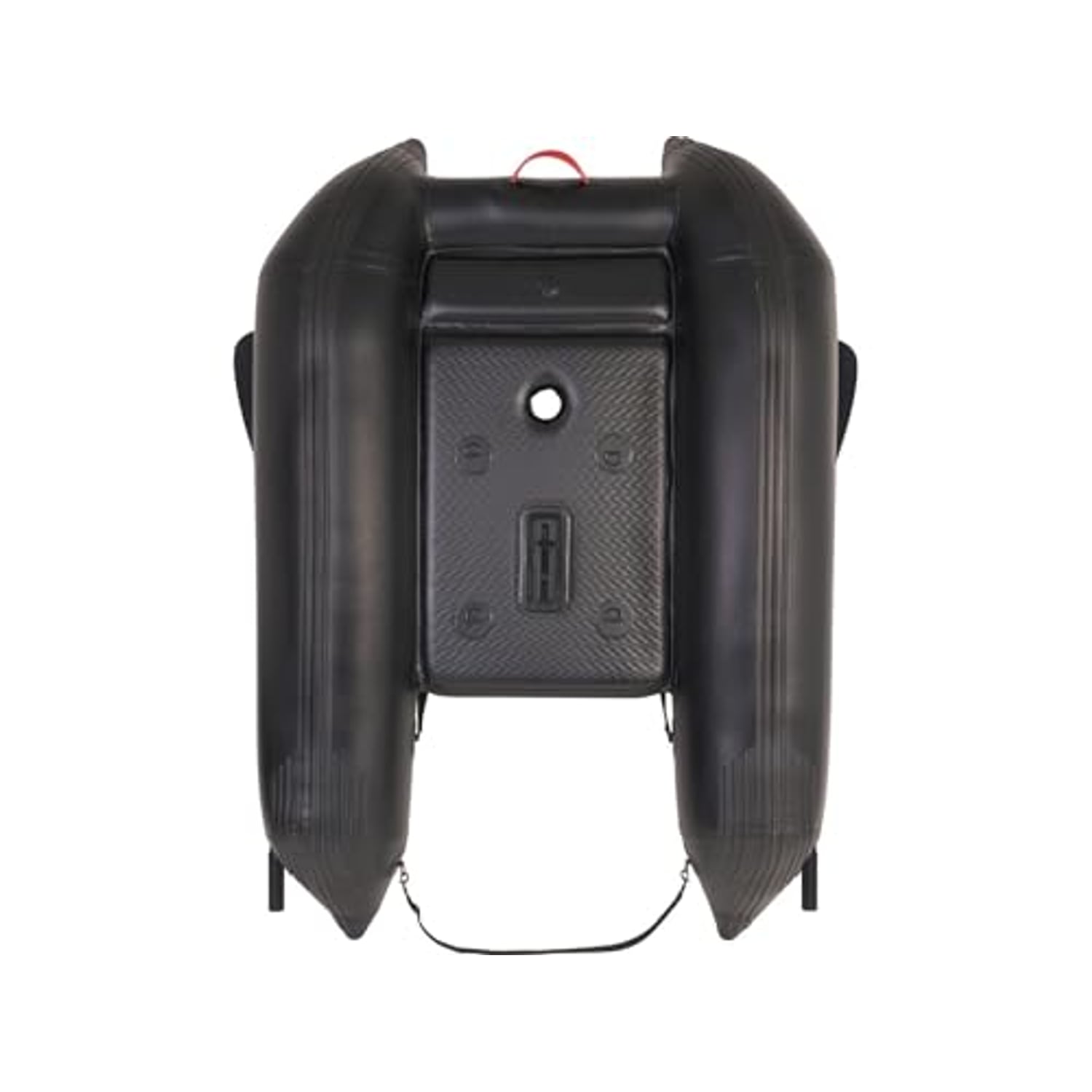
Where the W8's extra width pays off
Large reservoirs, exposed lakes, and any venue prone to wind chop are where the W8's wider 105cm beam earns its place over a compact tube. You will notice less rocking when casting, playing a fish, or simply sitting still waiting for a take.
When the compact W6 is still the better call
On small, sheltered stillwaters with minimal wind exposure, the W8's extra stability matters less, and the W6's lighter weight and easier transport become the more relevant factors. Match the boat to the water, not just to the biggest spec sheet.
Handling in the wind
Even on a wider hull, position yourself side-on to any wind when possible rather than fighting it directly — a belly boat's low profile means wind resistance is less of an issue than on a taller boat, but a wider beam like the W8's still helps you hold position more easily.